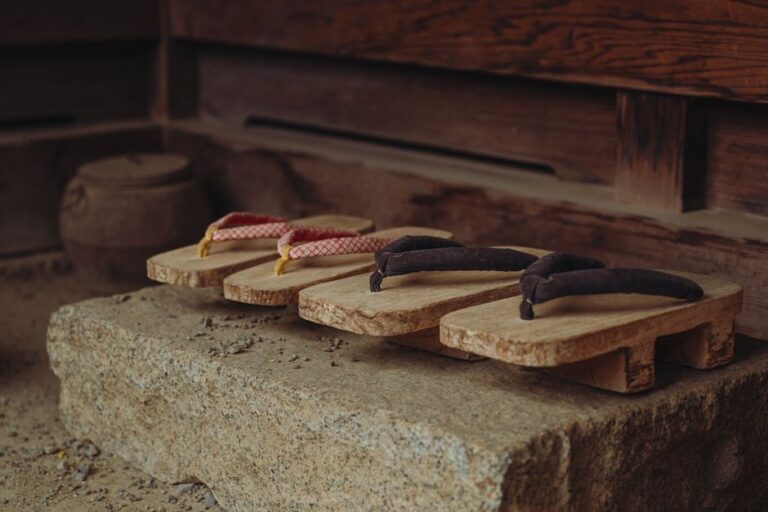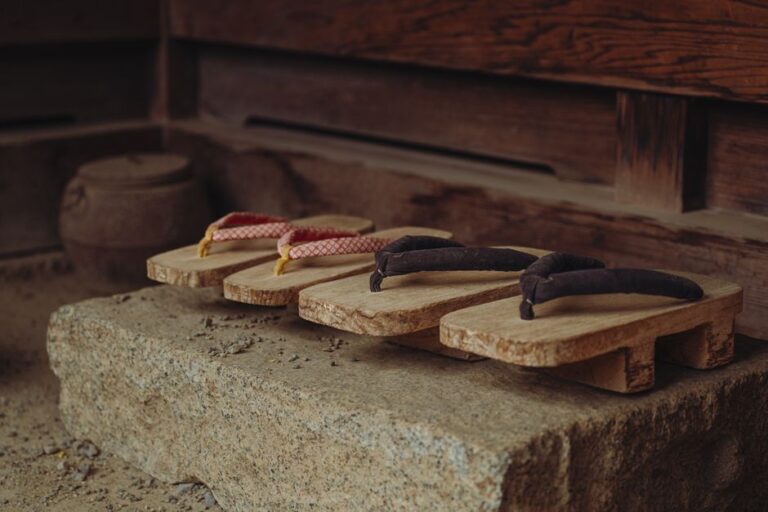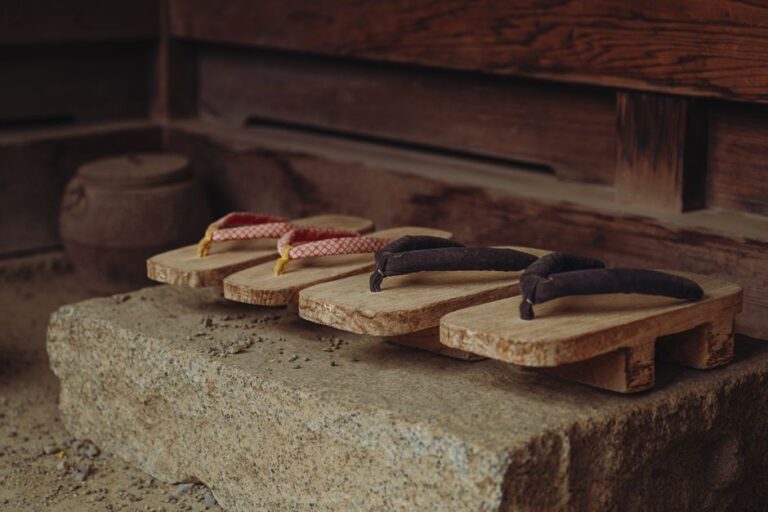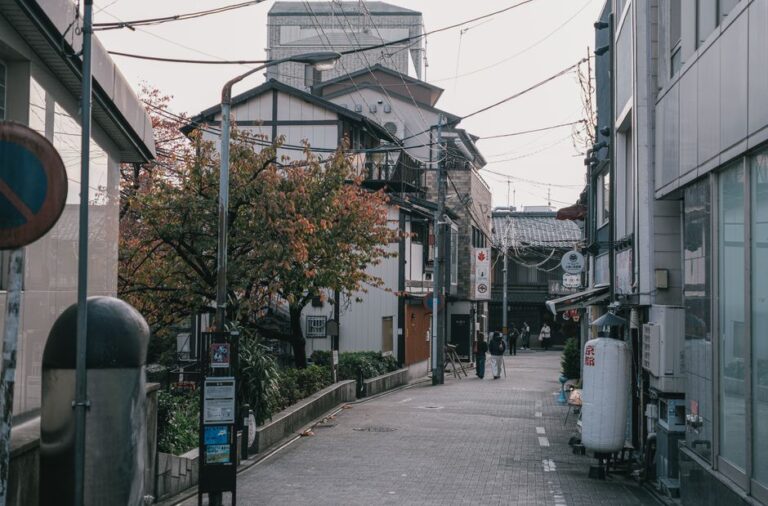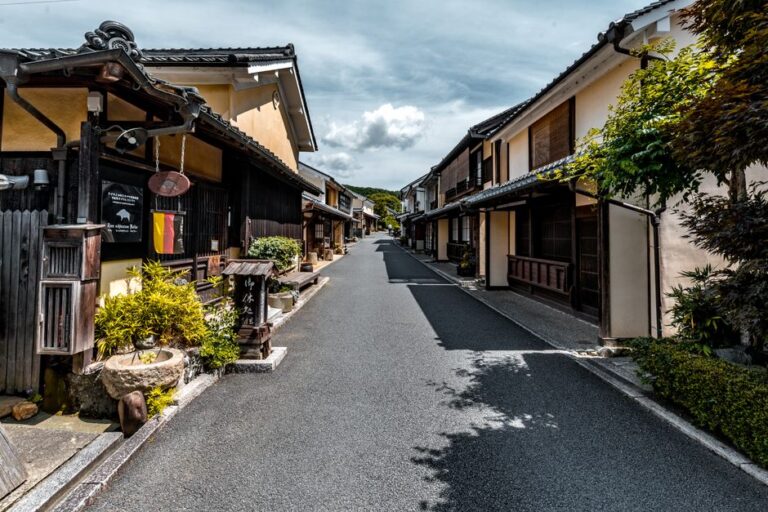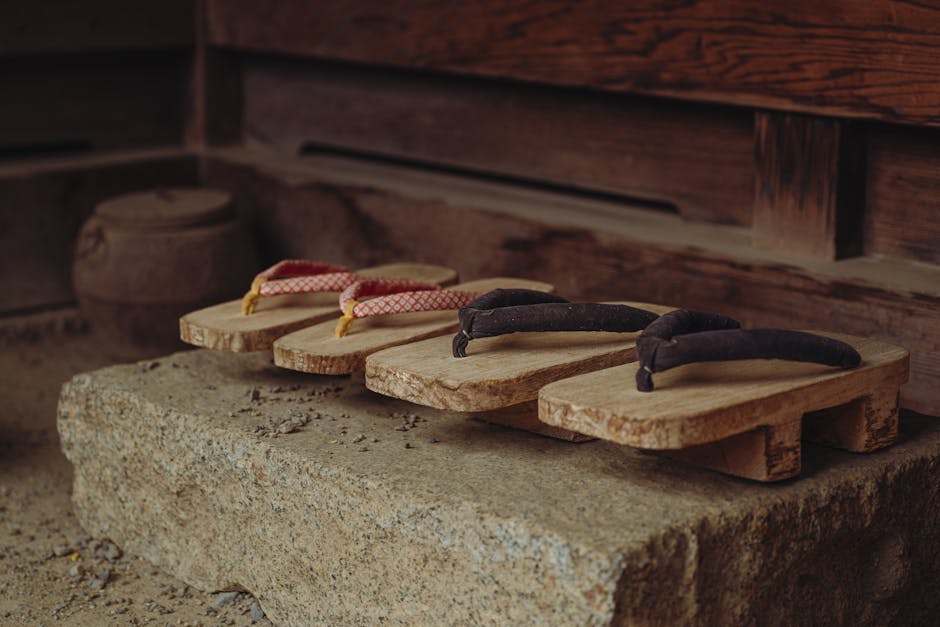
Japan, a land of rich cultural heritage, gracefully balances modernity with tradition. Its unique lifestyle is deeply rooted in time-honored customs, offering an intriguing glimpse into a world where ancient practices continue to thrive alongside contemporary life.
The Role of Tatami
Tatami mats are a staple in Japanese homes, providing a serene atmosphere. These mats, made from straw, not only offer comfort but also represent an integral aspect of traditional Japanese architecture, influencing the layout and usage of living spaces.
Cuisine and Daily Meals
Japanese cuisine embodies simplicity and seasonality. Traditional meals, often featuring rice, fish, and seasonal vegetables, emphasize flavor harmony and visual presentation, reflecting Japan’s appreciation for nature and aesthetic beauty.
Tea Ceremony: A Cultural Experience
The Japanese tea ceremony, known as "chanoyu," is a ritualistic practice that celebrates harmony and mindfulness. It exemplifies the nation's dedication to introspection and hospitality, providing insight into Japan's philosophical and spiritual traditions.
Conclusion
Traditional living in Japan is a testament to the enduring legacy of its customs. From architecture to culinary practices, Japan masterfully preserves its cultural essence, offering a profound connection to its past amidst a modern world. Understanding these traditions provides a greater appreciation of the Japanese way of life, characterized by simplicity, respect, and cultural richness.
About the Author