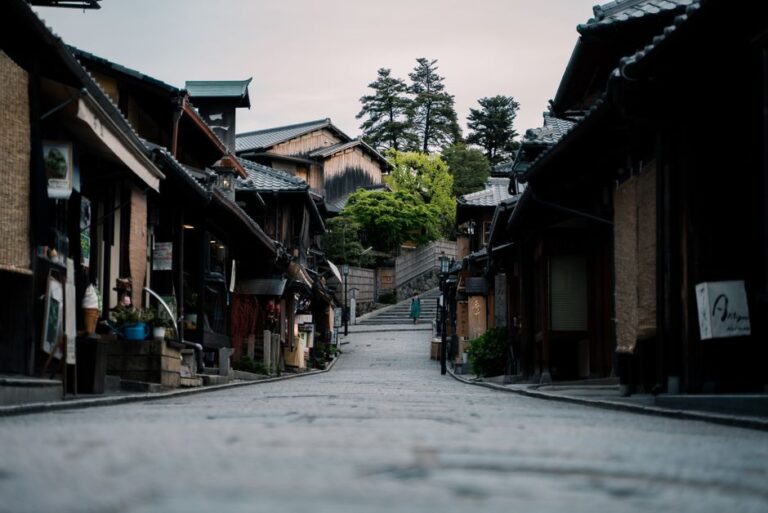
Japan is a nation rich in tradition, where ancient practices seamlessly blend with modern innovation. Understanding local culture is key to appreciating the country's depth and diversity.
The Significance of Festivals
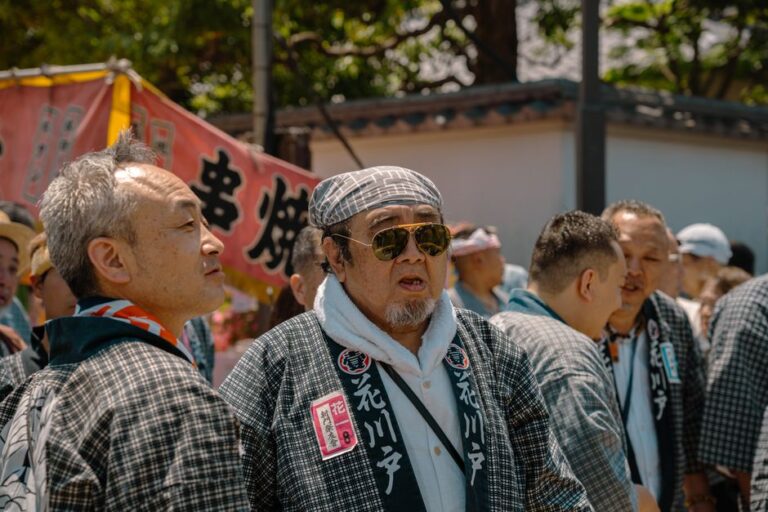
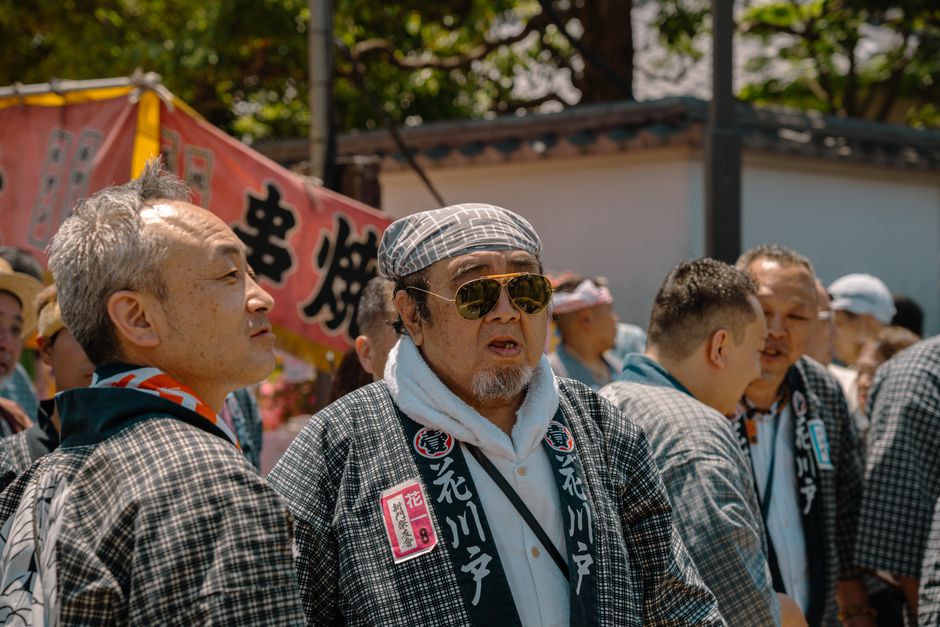
Festivals are integral to Japanese local culture, reflecting the vibrant history and spirituality of each region. Events like the Gion Matsuri in Kyoto and the Nebuta Matsuri in Aomori showcase distinctive local traditions, from elaborate floats to traditional music, offering insights into the community spirit.
Regional Cuisine and Practices
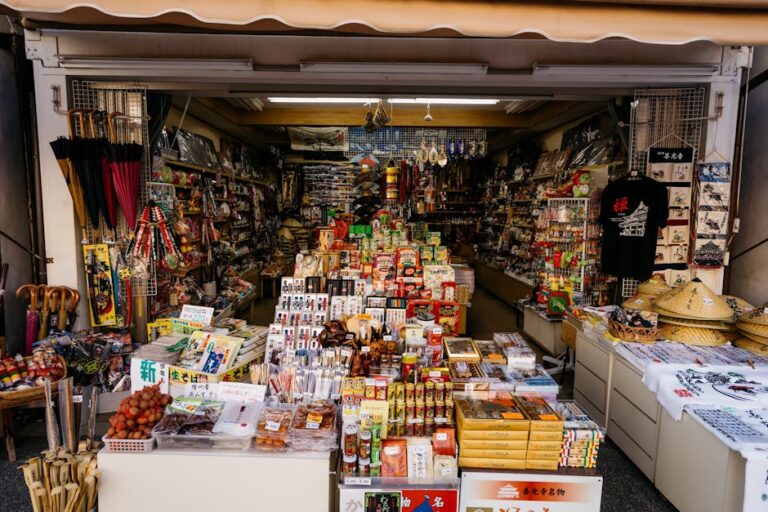
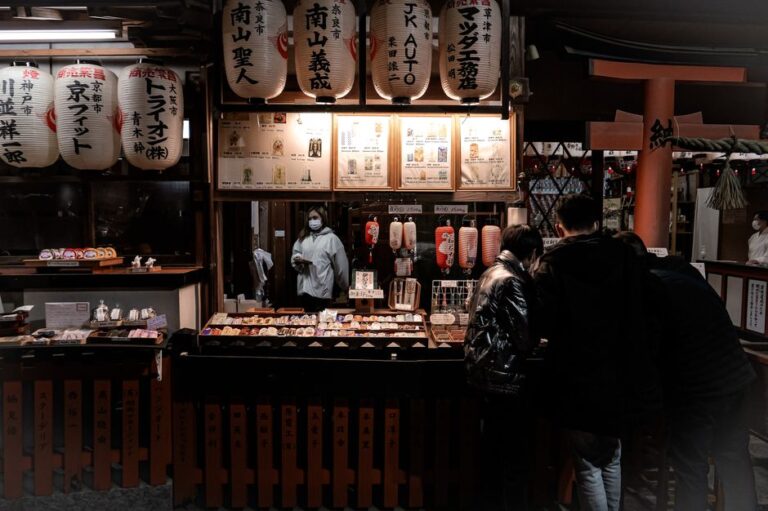
Food is another window into Japan's local culture. Each region boasts unique dishes, influenced by geography and history. For instance, Hokkaido is renowned for its dairy products and seafood, while Kansai's okonomiyaki is a savory delight. Exploring local markets provides a taste of the regional identity and hospitality.
The Role of Art and Craftsmanship
Traditional arts and crafts hold a revered place in Japanese culture. From the precise art of bonsai in the Kanagawa Prefecture to the iconic pottery of Mashiko, these crafts are passed down through generations, preserving cultural heritage while promoting sustainable practices.
Conclusion: Thriving Traditions
Japanese local culture is a tapestry woven from festivals, cuisine, and artistry. As travelers embark on exploration, they discover that Japan's true charm lies not only in its metropolitan hubs but also in the daily rhythms and rituals of its diverse regions, keeping traditions alive in a rapidly changing world.
About the Author