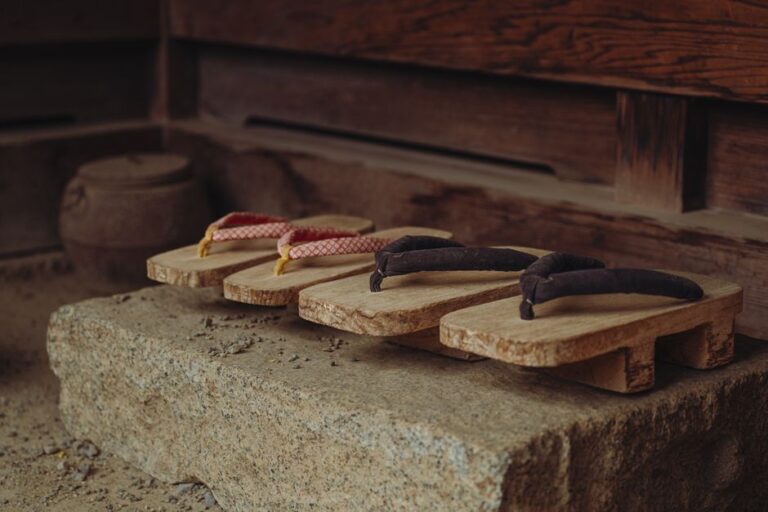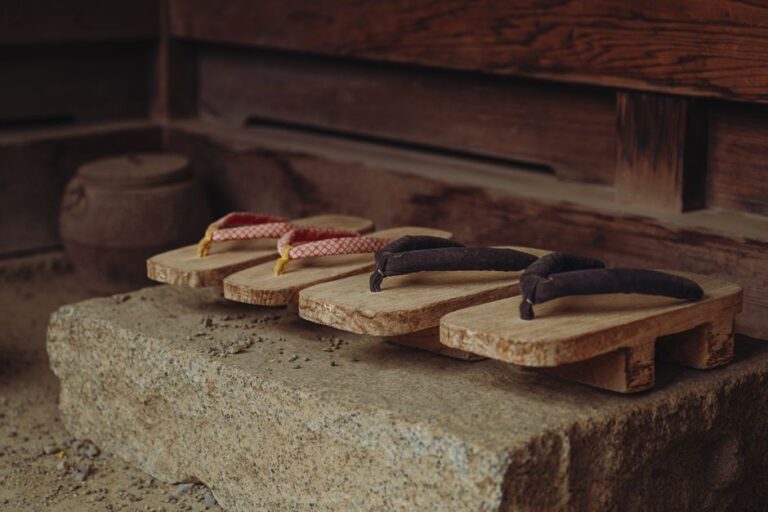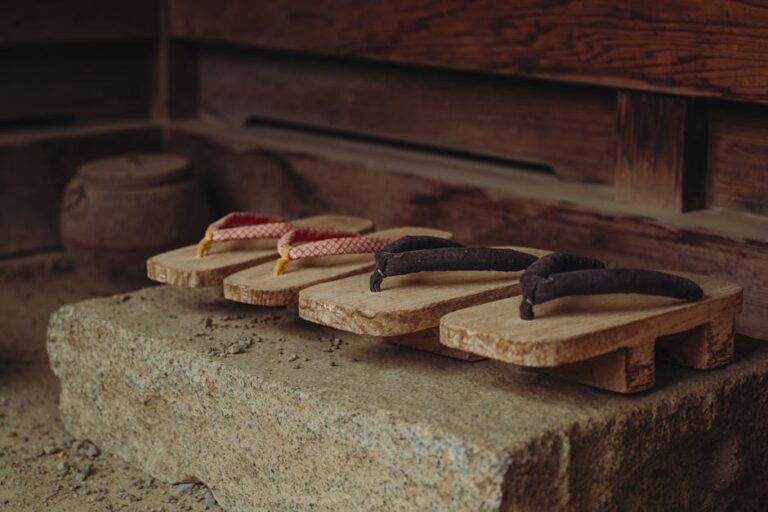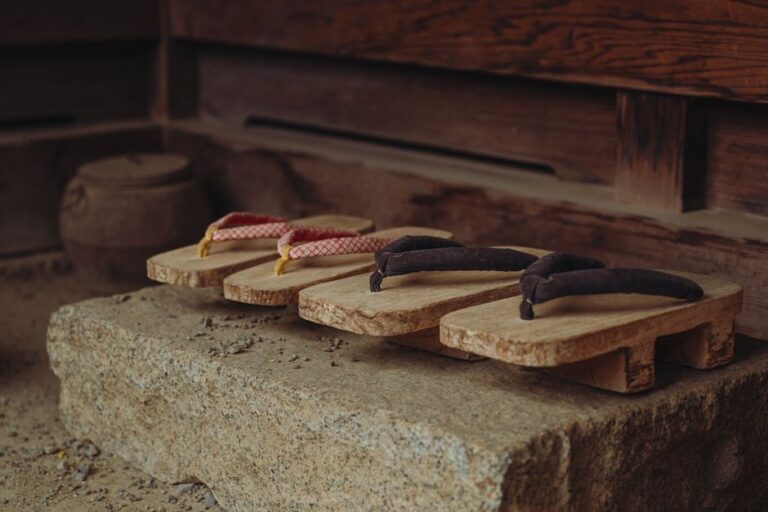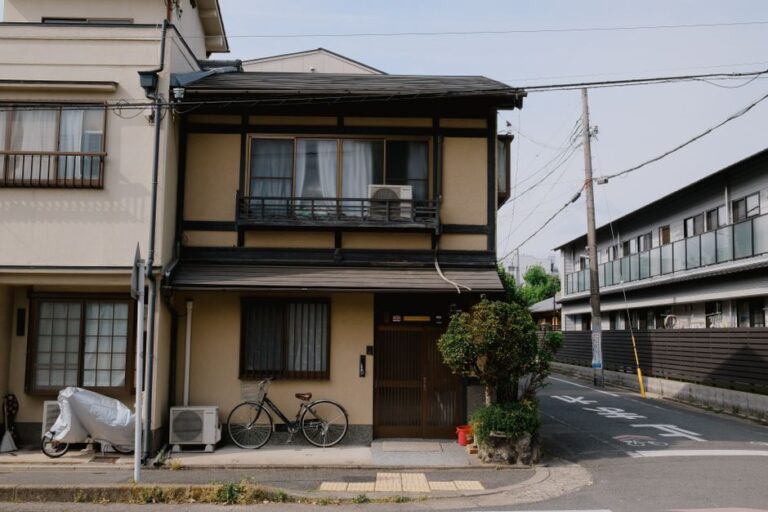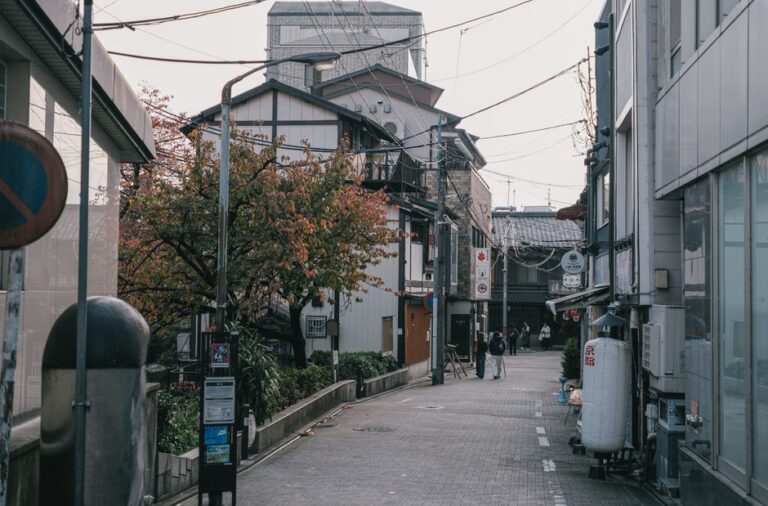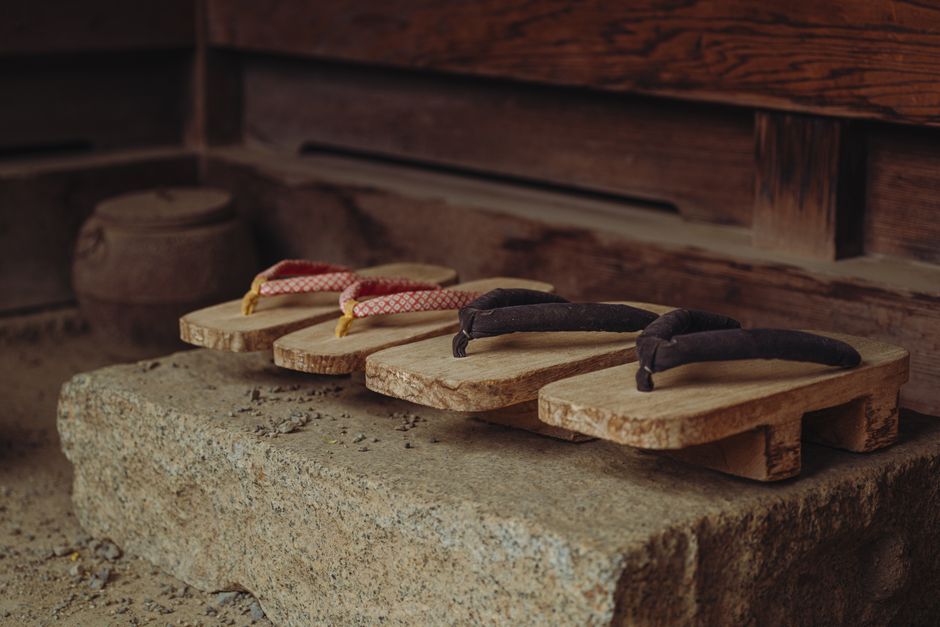
Traditional Japanese living seamlessly blends simplicity and functionality with profound cultural heritage. This unique lifestyle centers around appreciation for nature, community, and time-honored customs, offering a rich experience for those who delve into its depths.
Harmony with Nature
At the core of traditional Japanese life is a deep-rooted connection to nature. From the serene gardens to the art of bonsai and ikebana, Japanese living spaces often integrate natural elements, enhancing mindfulness and tranquility.
Tatami and Minimalism
Minimalism characterizes traditional Japanese homes, with tatami mats covering the floors, promoting calmness and simplicity. The uncluttered environment encourages a peaceful, harmonious lifestyle.
The Role of the Onsen
Onsens, or hot springs, play a significant role in traditional living, offering both relaxation and social interaction. They are cherished as places for family bonding and community gatherings.
Seasonal Festivals
Seasonal festivals, such as Hanami or O-Bon, underscore Japan’s rich cultural calendar. These gatherings foster community spirit and preserve customs, celebrating Japan’s vibrant changing seasons.
Traditional Cuisine
Cuisine in Japan is an art form, with traditional dishes like sushi and tempura embodying balance, seasonal ingredients, and meticulous preparation. This culinary art highlights respect for nature and timeless traditions.
In conclusion, embracing traditional living in Japan offers a glimpse into a lifestyle rich with respect for nature, culture, and community. Its timeless elements continue to inspire and captivate those drawn to this harmonious way of life.
About the Author