Traditional Japanese communities offer a unique glimpse into the harmonic blend of cultural heritage and social structure, reflecting a way of life that goes beyond the hustle and bustle of modern society.
Cultural Significance and Traditions
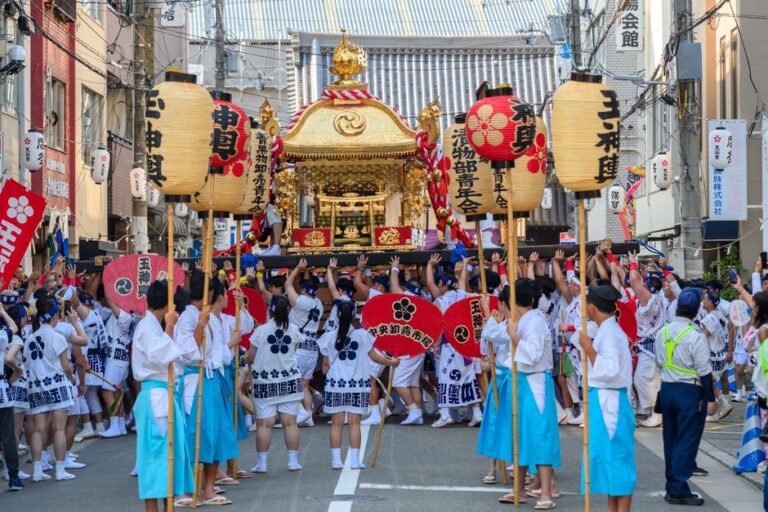
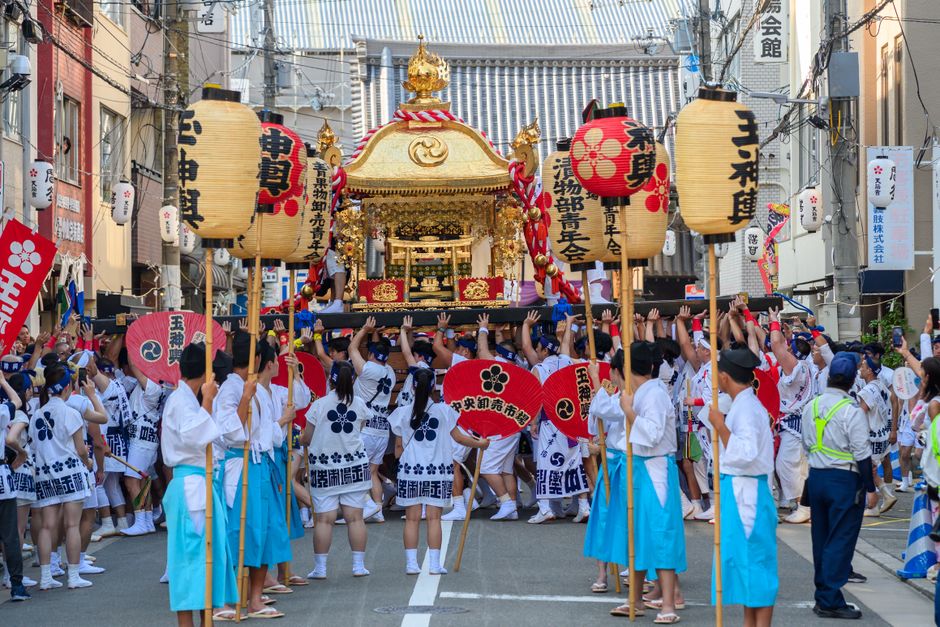
Traditional Japanese communities are often rooted in historical customs and practices. From tea ceremonies to festivals like Obon and Hanami, these communities maintain practices that celebrate seasonal changes and ancestors, strengthening bonds among community members.
Social Structure and Group Harmony
Japanese communities emphasize the concept of "wa," or harmony, which governs social interactions. Families and neighborhood associations often operate on the principles of cooperation and mutual respect, ensuring a cohesive and supportive communal environment.
Preserving Through Adaptation
While modernity has transformed many aspects of life, these communities continue to adapt while preserving their essence. By integrating contemporary practices with age-old traditions, they maintain cultural integrity.
In conclusion, traditional Japanese communities play a critical role in preserving Japan’s rich cultural tapestry, offering timeless lessons in unity and resilience.
About the Author