Nestled in the heart of the Japanese archipelago, traditional rural Japan offers a tranquil escape from the bustle of city life. This serene landscape, characterized by its historical villages and agricultural fields, continues to preserve the rich cultural heritage of the nation.
Quaint Villages and Architectural Heritage
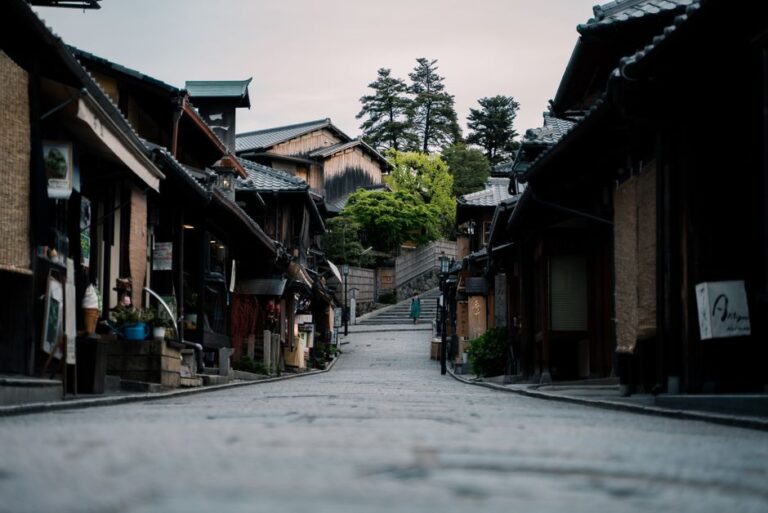
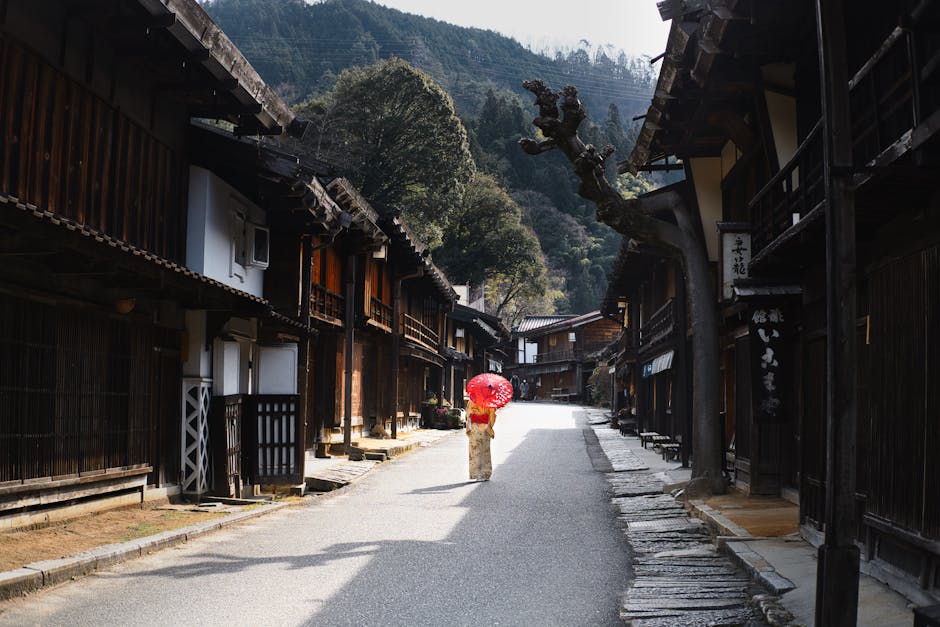
The essence of rural Japan can be felt in its quaint villages. Places like Shirakawa-go and Hida-Takayama are renowned for their well-preserved Gassho-zukuri farmhouses. These architectural marvels have thatched roofs designed to withstand heavy snowfall, showcasing a unique blend of functionality and traditional aesthetics.
Agricultural Traditions and Practices
Farming is central to rural life. Rice paddies dominate the landscape, representing a lifeline for local communities. The traditional farming methods, passed down through generations, not only sustain the population but also maintain the ecological balance, highlighting Japan's dedication to harmonious living with nature.
Cultural Festivals and Local Traditions
Festivals play a significant role in rural Japan, bringing communities together to celebrate the changing seasons. Events like the Awa Odori and Tanabata Matsuri are vibrant demonstrations of local customs, music, and dance, offering an immersive cultural experience.
Conclusion: A Window into Japan's Past
Traditional rural Japan provides a captivating glimpse into the country's past. Its enduring charm lies in the harmonious blend of culture, history, and nature, reminding us of the simple pleasures and timeless traditions that continue to define Japanese identity.
About the Author