The concept of local Japanese identity is a rich mosaic of history, tradition, and modern influence. As Japan continues to globalize, exploring the nuances of its local identity offers a captivating journey through time and culture.
Understanding Regional Variations
Japan’s geography plays a pivotal role in shaping its local identities. Each region boasts unique traditions, dialects, and cuisines, reflecting centuries of adaptation and growth. From the vibrant festivals of Okinawa to the quiet elegance of Kyoto’s tea ceremonies, local cultures thrive across this diverse nation.
The Influence of Tradition and Modernity
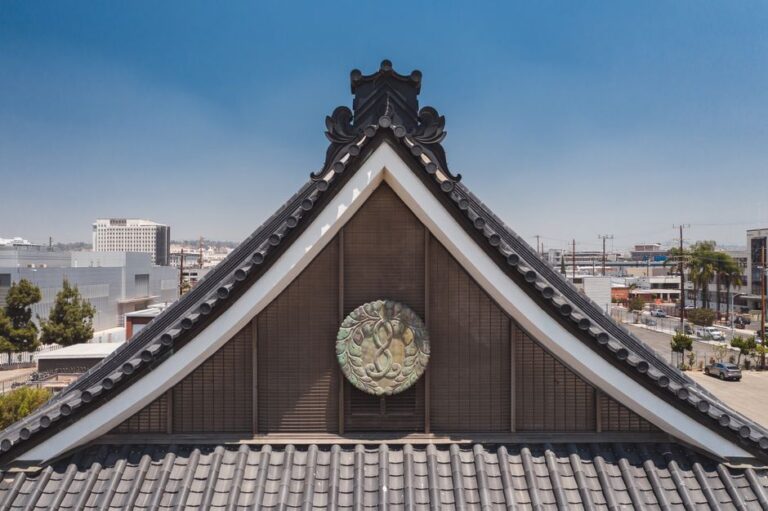
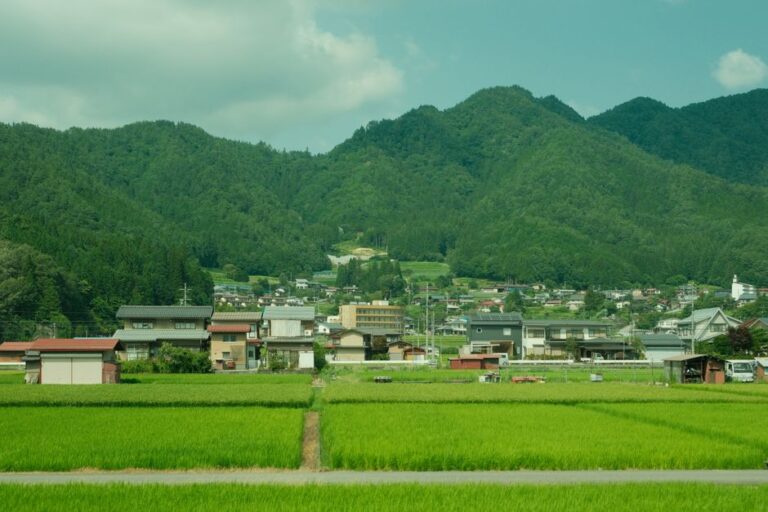
Japanese identity is a balancing act between tradition and innovation. While cities like Tokyo forge novel technology trends, rural areas maintain practices passed down through generations. This duality contributes to a fascinating cultural dynamic, enriching local identity through a blend of past and present.
The Role of Festivals and Rituals
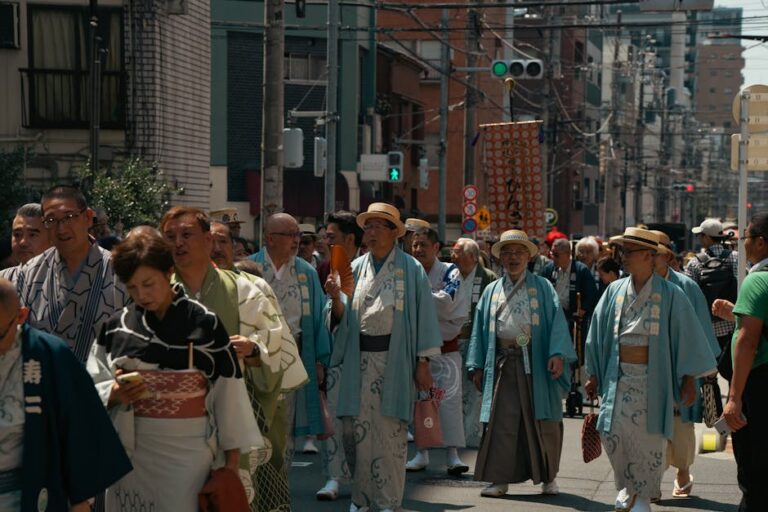
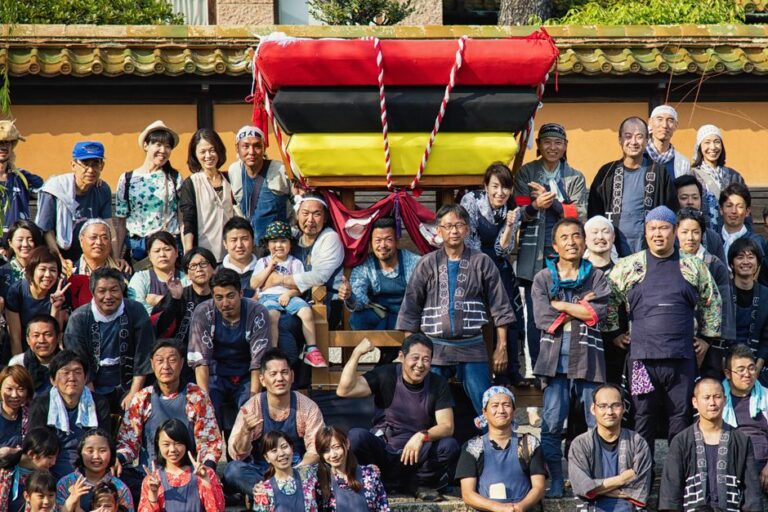
Festivals and rituals are cornerstones of Japanese local identity, offering a celebratory window into the nation’s cultural soul. Events like the Gion Matsuri in Kyoto and the Nebuta Festival in Aomori showcase traditional music, dance, and attire, engaging communities and fostering a collective sense of cultural heritage.
Conclusion: Embracing Diversity
The local Japanese identity is a testament to Japan’s cultural diversity and resilience. By appreciating the distinct flavors and customs inherent in each region, one gains a deeper understanding of the intricate tapestry that defines this extraordinary nation. Through exploration and respect, the richness of Japan’s local identity continues to thrive, inspiring both locals and visitors alike.
About the Author