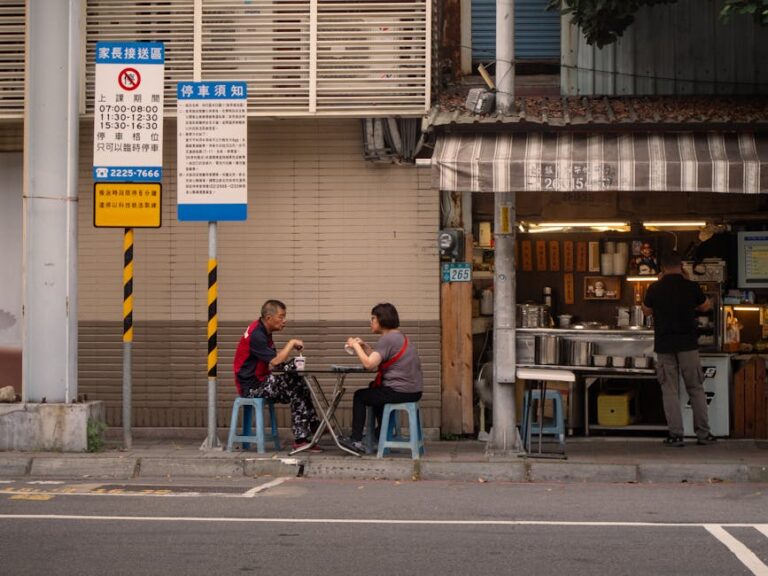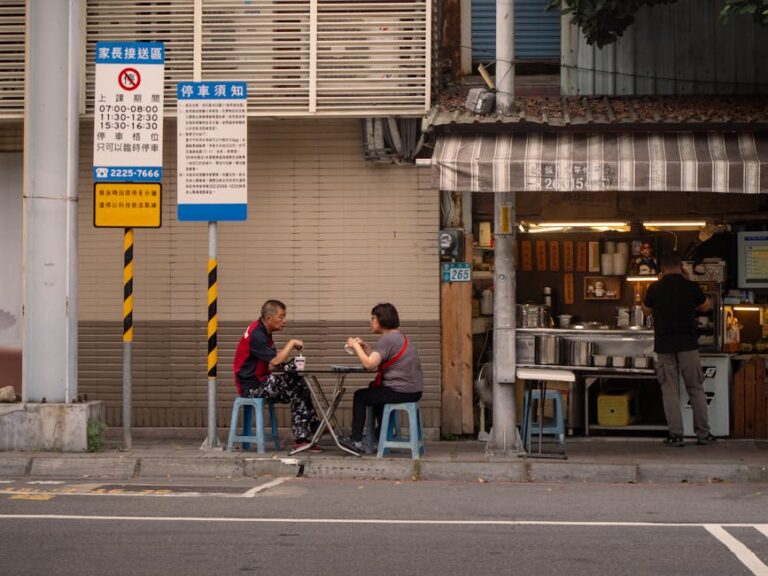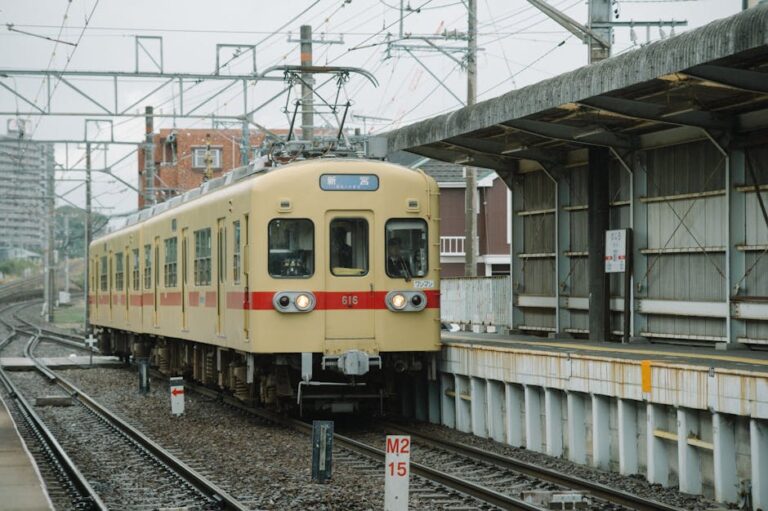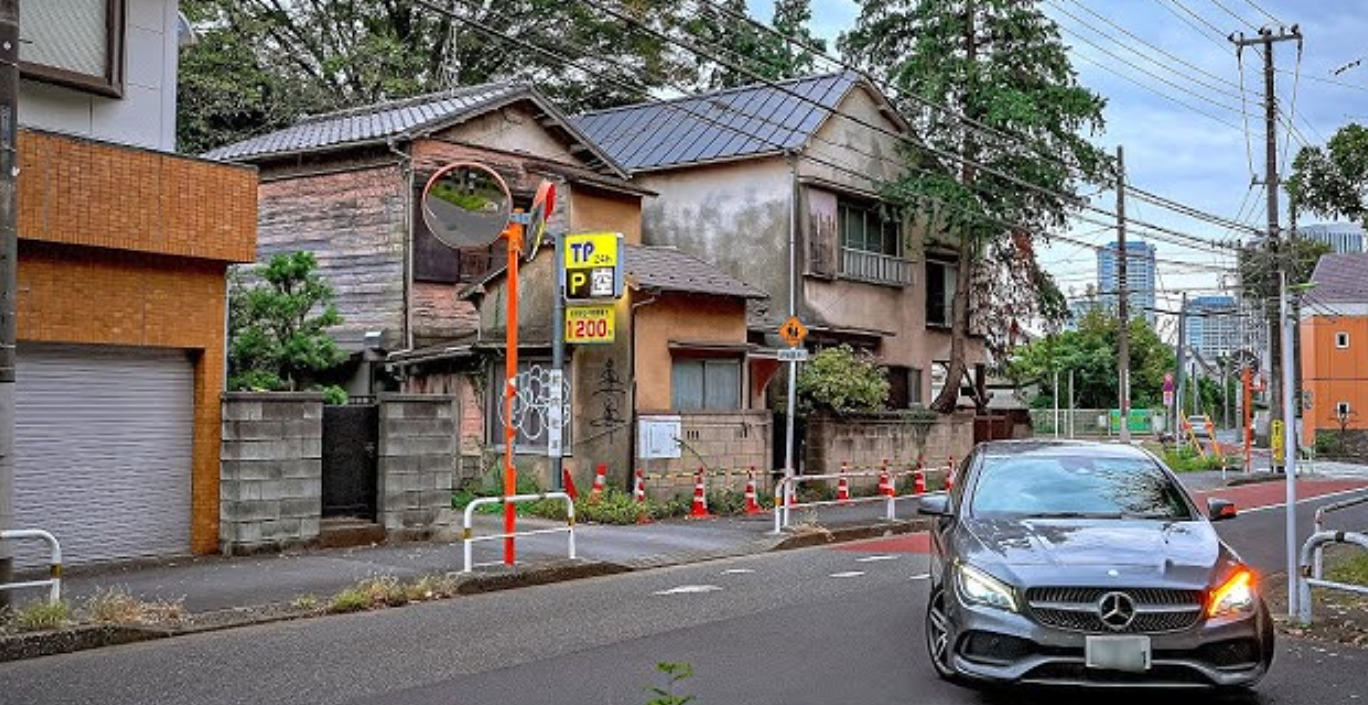
Away from neon lights and crowded crossings there is another Japan that rarely appears in travel brochures. It exists in quiet neighborhoods where time feels slower and daily life follows subtle routines. These places reveal how Japanese society actually functions when there are no tourists watching.
Life inside a quiet Japanese neighborhood is built on small habits mutual respect and unspoken rules. Understanding this environment offers deeper insight into Japanese culture than any famous landmark ever could.
The Rhythm of Everyday Life
Mornings in residential areas begin early but gently. You hear bicycles rolling past low voices greeting neighbors and the sound of shutters opening. There is no rush but there is structure. People move with intention even when nothing seems urgent.
Daily routines are predictable. Garbage is sorted carefully. Streets are swept regularly often by residents themselves. This consistency creates a sense of shared responsibility and pride in the environment.
Community Without Excess Interaction
Japanese neighborhoods value harmony over closeness. People know each other but rarely intrude. Greetings are short and polite. Conversations are respectful and purposeful.
This balance allows privacy without isolation. Neighbors notice changes quietly. If someone is sick or absent too long it is observed. Support exists but it is subtle.
The absence of noise does not mean absence of care.
Architecture That Encourages Calm
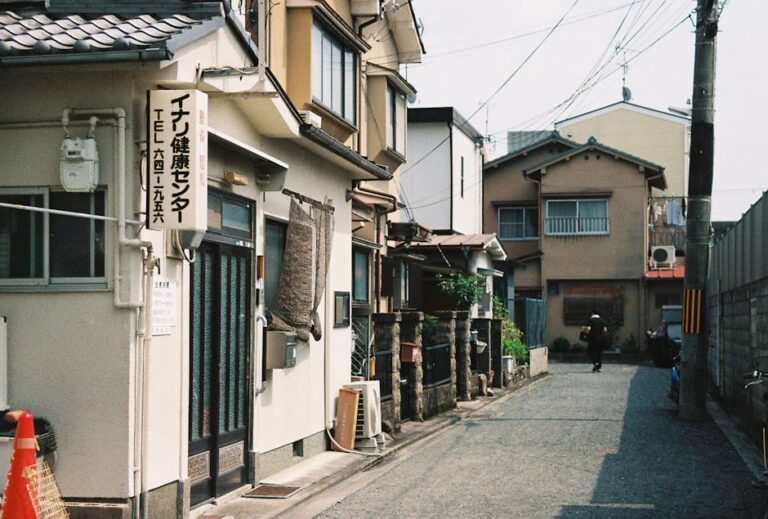
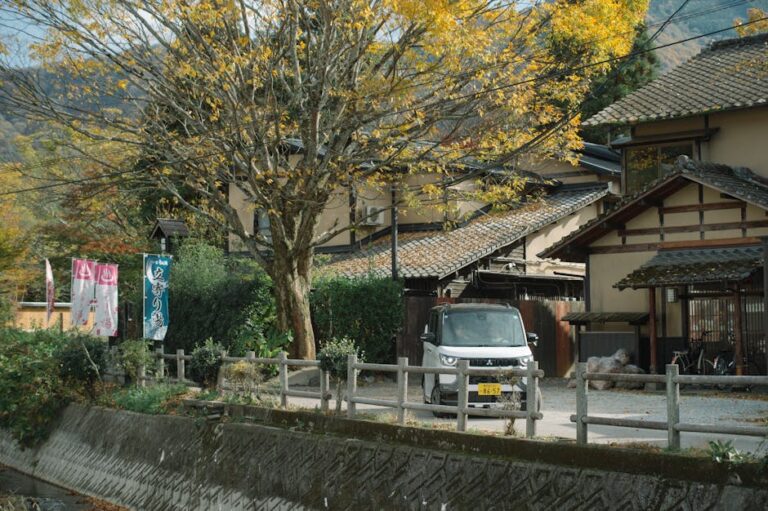
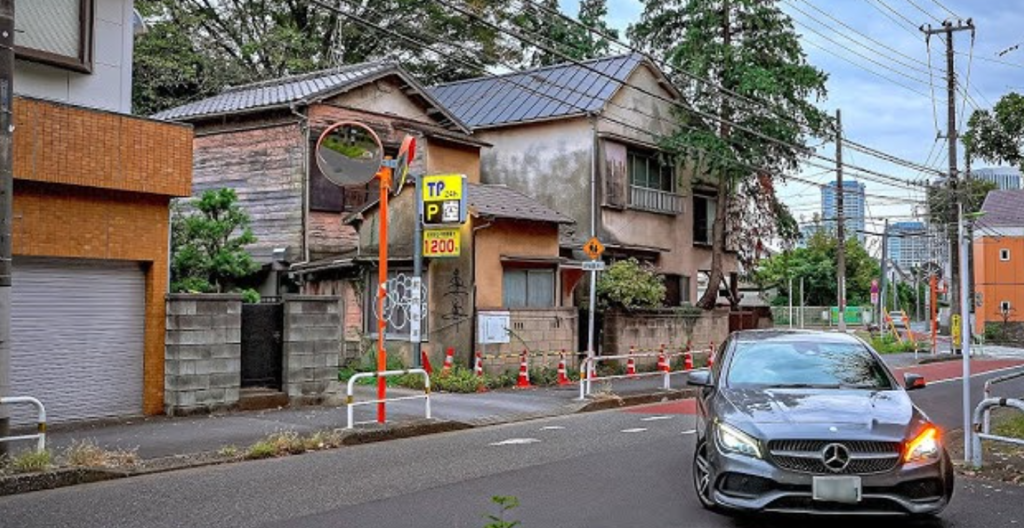
Homes in quiet areas are designed for efficiency and modesty. Space is used carefully. Gardens are small but intentional. Fences are low or symbolic rather than defensive.
Streets are narrow which naturally slows traffic. This design prioritizes safety and walkability over speed. Children play nearby without fear. Elderly residents move comfortably through familiar paths.
Architecture supports behavior and reinforces calm living.
Seasonal Awareness in Daily Life
Seasons are not abstract concepts here. They shape behavior food and daily habits. Neighborhoods change subtly throughout the year.
In spring small flowers appear near entrances. In summer wind chimes hang quietly. Autumn brings fallen leaves carefully swept into piles. Winter is marked by silence and routine.
This awareness of time passing grounds residents emotionally and culturally.
Why These Neighborhoods Matter
Quiet neighborhoods represent the backbone of Japanese society. They preserve values that cities often lose such as patience consistency and mutual respect.
They also offer a counterpoint to modern overstimulation. Life here proves that fulfillment does not require constant entertainment or visibility.
For visitors and observers these places offer lessons in intentional living and community balance.
Closing Thoughts
Understanding Japan requires stepping away from spectacle. Quiet neighborhoods reveal the real texture of life shaped by routine respect and subtle connection.
In these spaces culture is lived not displayed. That is what makes them powerful.
About the Author