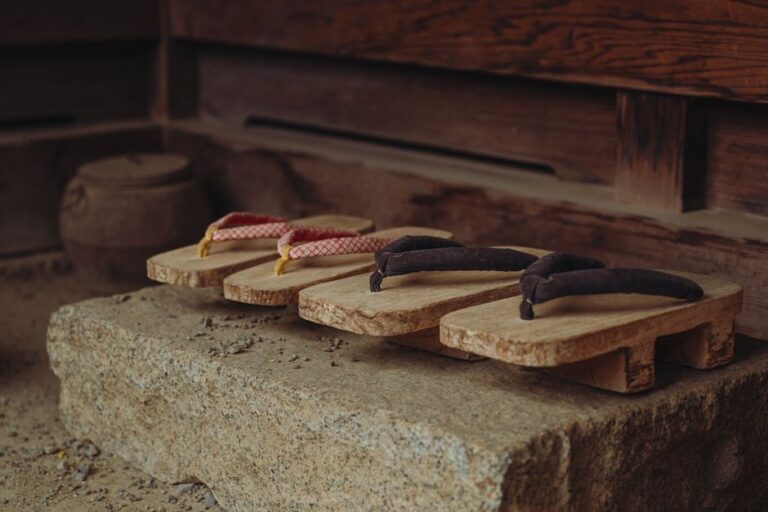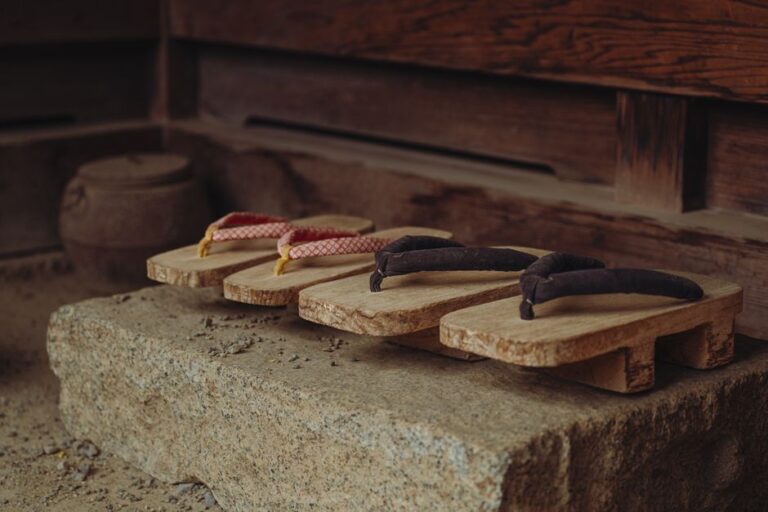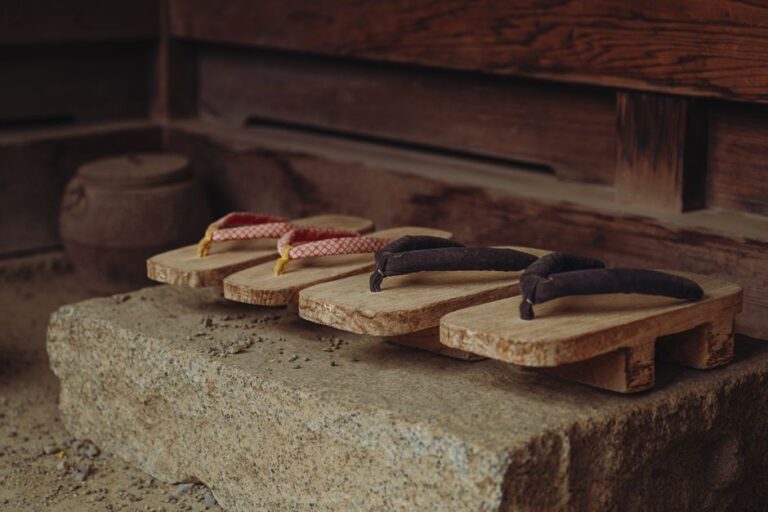
Traditional living in Japan combines historical customs with modern practices, providing a unique lifestyle that fascinates many. This article delves into key aspects of Japan's traditional way of life that continue to influence its culture.
The Essence of Tatami Rooms
Tatami mats are synonymous with traditional Japanese homes, offering warmth and comfort. These mats not only provide aesthetically pleasing flooring but also promote a minimalist design ethos that encourages harmony and tranquility in living spaces.
Embracing Minimalism
Japanese traditional living emphasizes minimalism. This approach not only maximizes space but also reduces clutter, creating environments that promote mindfulness and stress reduction. Built-in storage solutions, simple furnishings, and uncluttered spaces are hallmarks.
The Role of Nature
Incorporating elements of nature is vital in Japanese living. Gardens, bonsai trees, and the use of natural materials like wood and paper help connect individuals with the environment, fostering peace and reflection.
Harmonious Coexistence
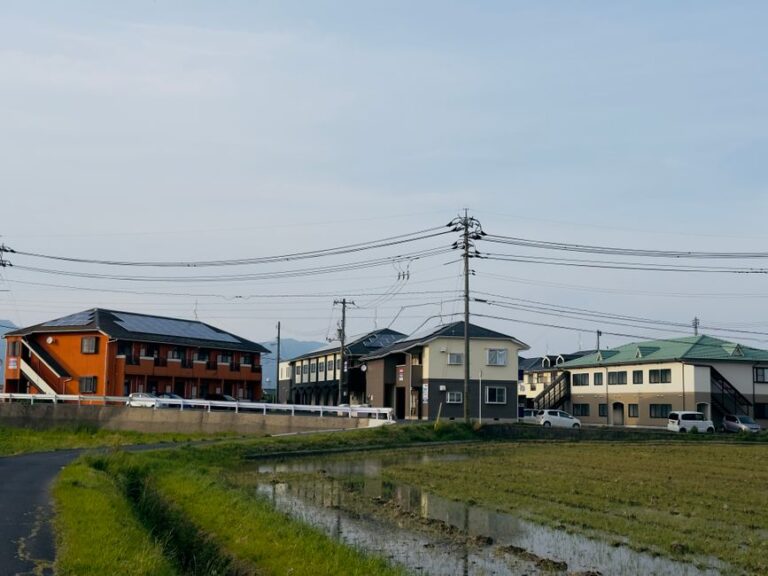
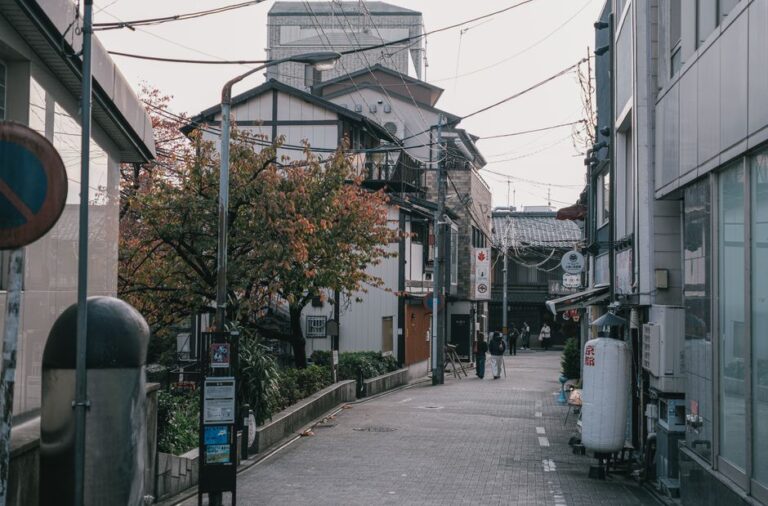
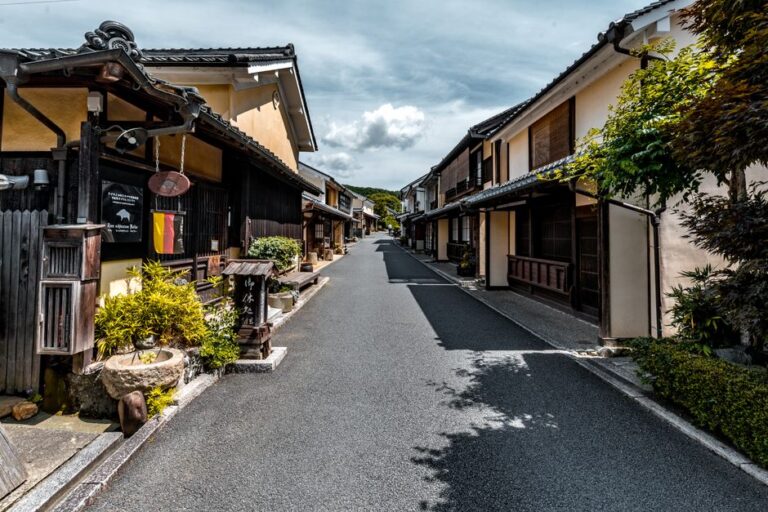
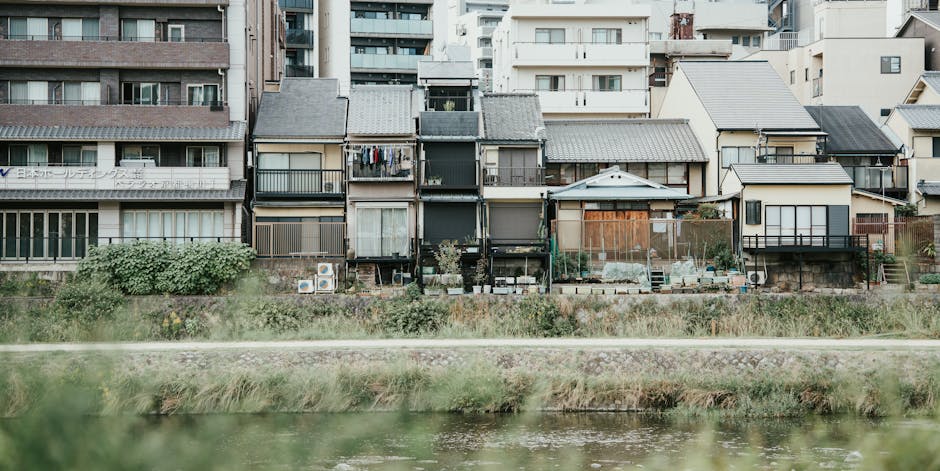
A blend of the old and the new defines modern Japanese living. While adopting contemporary conveniences, there is a profound respect and integration of age-old traditions. This synergy creates a lifestyle enriched by cultural depth and innovation.
In conclusion, traditional Japanese living remains a compelling lifestyle paradigm, balancing simplicity, nature, and cultural heritage. Its subtle blend of functional design and timeless customs continues to inspire those seeking a harmonious way of life.
About the Author