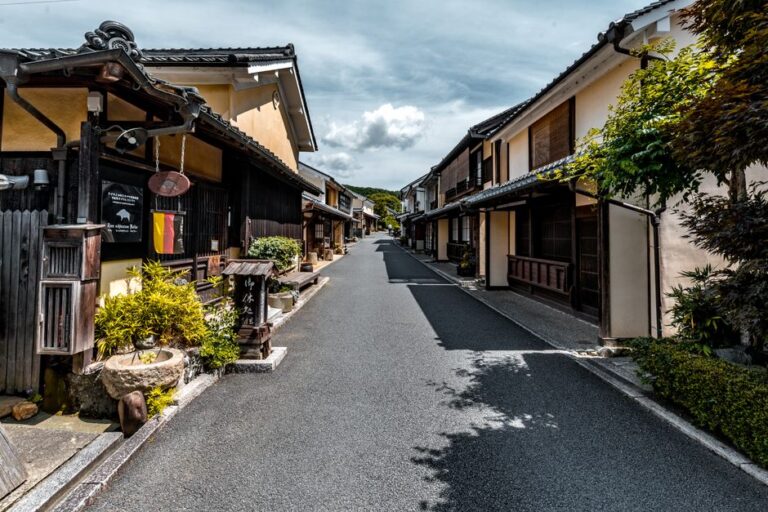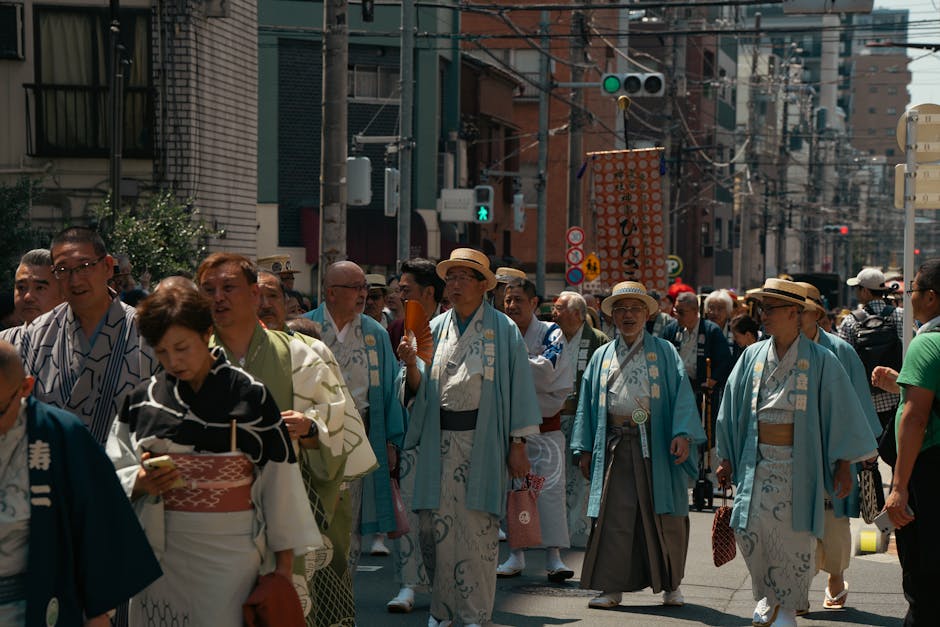
In the vast landscape of cultural diversity, local Japanese identity stands out as a fascinating mosaic of tradition, modernity, and regional uniqueness. Rooted in centuries-old customs and evolving through contemporary influences, it offers an intricate portrait of life in Japan beyond the well-trodden tourist paths.
Cultural Heritage and Tradition
Local Japanese identity is deeply entwined with cultural heritage and tradition. From the art of tea ceremonies to the philosophical practice of Zen, these cultural practices form the bedrock of identity, maintaining a connection to the past while shaping community interactions in the present.
Regional Distinctions
Japan's regional distinctions significantly contribute to local identity. The culinary arts, such as Osaka's street food or Kyoto's kaiseki, highlight how regional differences enrich the national tapestry. Dialects and festivals further illustrate the diverse cultural landscape across Japan's prefectures.
Contemporary Influences and Globalization
Despite a strong traditional core, local Japanese identity is not static. It assimilates contemporary influences and global elements, evident in the fusion of Western and Eastern motifs in fashion and entertainment. This dynamic integration showcases Japan's openness while preserving its unique identity.
Conclusion
Embracing both enduring traditions and contemporary changes, local Japanese identity is a living, breathing entity reflecting the spirit of Japan. It serves as a reminder of the power of cultural diversity, offering a captivating exploration for those fortunate enough to experience it firsthand.
About the Author