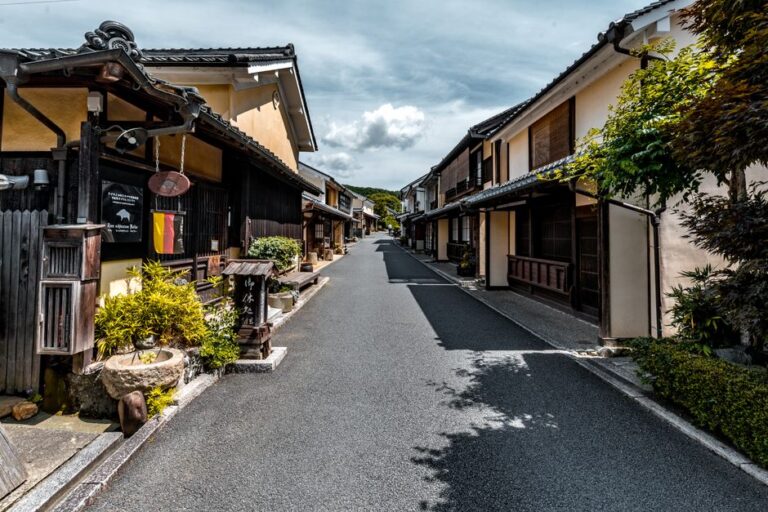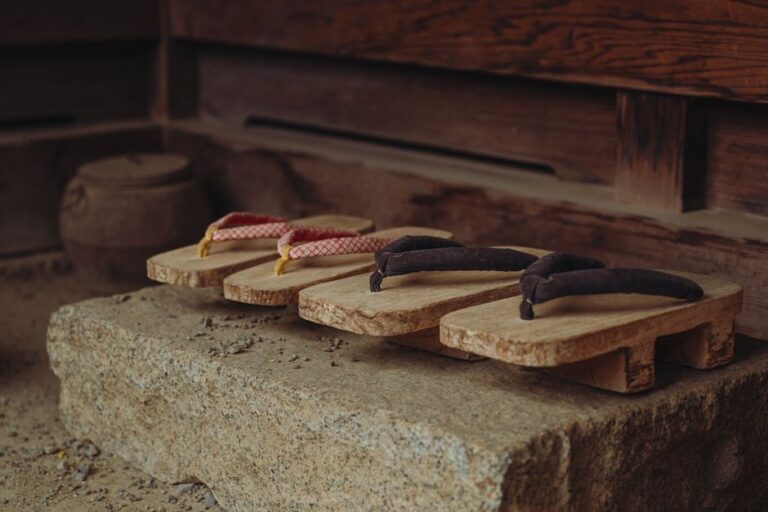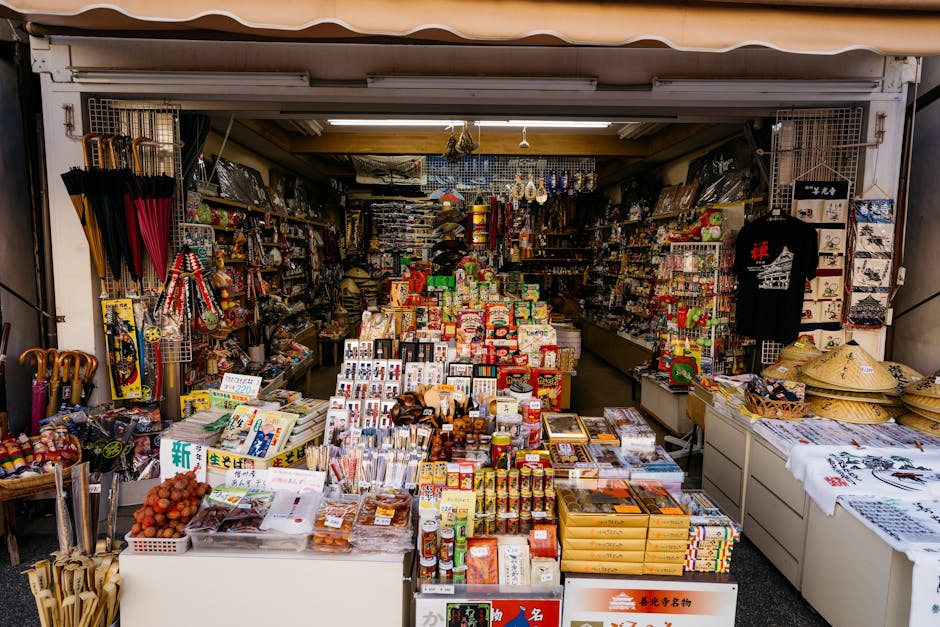
Japanese local culture is a rich tapestry woven from centuries of tradition and modern innovation. Unraveling this tapestry reveals a multifaceted society deeply rooted in respect, harmony, and an appreciation for nature and the arts.
Respect and Etiquette
Central to Japanese culture is the ingrained respect for others, a principle that permeates every aspect of daily life. Bowing is a traditional greeting method, symbolizing humility and acknowledgment. Etiquette extends to interactions and behavior, reflecting the value placed on harmony and community welfare.
Festivals and Celebrations
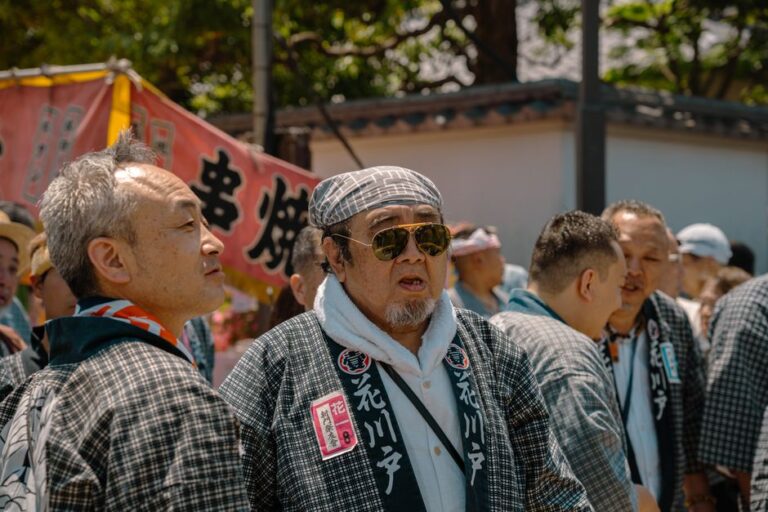
Japan is renowned for its vibrant festivals, known as "matsuri," reflecting the country's rich history and diversity. From the vibrant Gion Matsuri in Kyoto to the snow-filled Sapporo Snow Festival, these celebrations offer insights into regional traditions and communal spirits.
Traditional Arts and Crafts
Japanese arts reflect a profound connection to history and aesthetics. From the serene tea ceremonies to the intricate art of origami and calligraphy, each practice emphasizes precision, patience, and a deep respect for form and function.
Culinary Heritage
Japanese cuisine is celebrated worldwide for its delicate flavors and artistic presentation. Local specialties vary by region, with sushi, ramen, and kaiseki showcasing Japan's culinary diversity. Food in Japan is not just nourishment; it's an art form that celebrates seasonal beauty.
Nature and Spirituality
Japan's local culture closely intertwines with nature and spirituality, evident in practices like Shinto and Zen Buddhism. The country's landscape, from serene gardens to majestic mountains, plays a significant role in cultural and spiritual observances, fostering a deep-seated reverence for the natural world.
In conclusion, Japanese local culture is a harmonious blend of tradition and modernity, where each practice is a seamless continuation of the past. It is a cultural journey that invites deeper appreciation and understanding of Japan's timeless principles.
About the Author