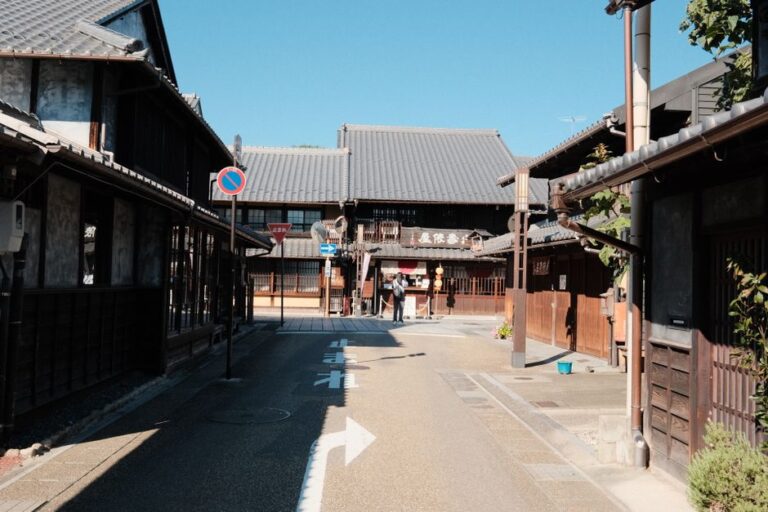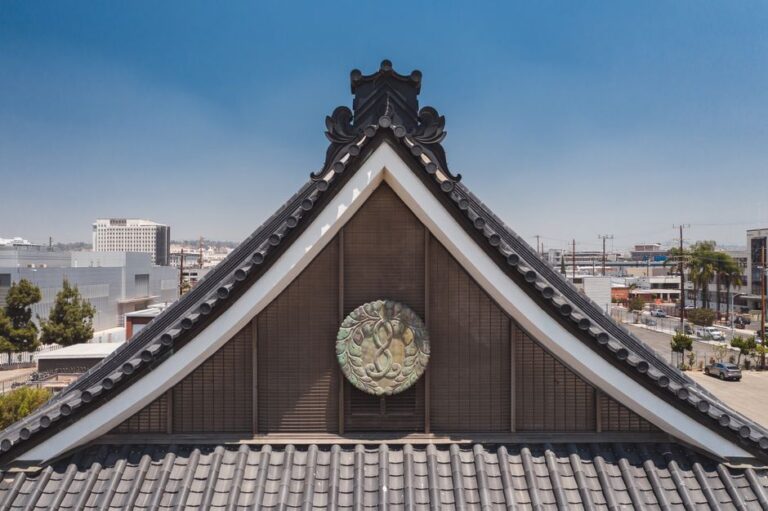
Japan Town, or "Nihonmachi," captures the essence of Japanese culture thriving in foreign soil, predominantly in cities like San Francisco, Los Angeles, and San Jose. Established in the late 19th century, these enclaves arose as Japanese immigrants sought community and familiarity.
The Birth of Japan Towns
The influx of Japanese immigrants in the early 1900s spurred the creation of Japan Towns, providing cultural havens where traditional crafts, businesses, and cuisine thrived, amid the challenges of assimilation and exclusion laws.
Cultural Evolution Amidst Adversity
Despite hardships, including internment during World War II and neighborhood redevelopments, Japan Towns have demonstrated resilience. They evolved into vibrant centers showcasing resilience and adaptability, encapsulating the Japanese American experience.
Modern-Day Significance
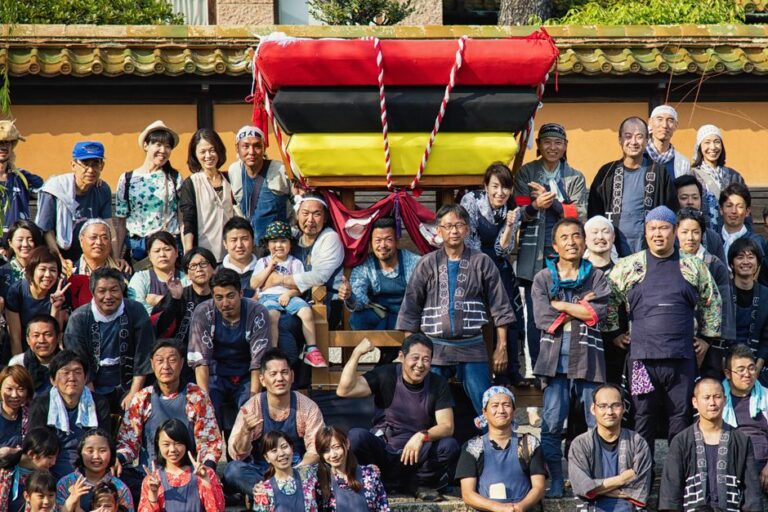
Today, Japan Towns serve as significant tourist attractions and cultural preservation hubs, hosting festivals and cultural events that educate and engage both locals and visitors about Japanese heritage.
Conclusion
From humble beginnings, Japan Towns stand as testaments to the power of community and cultural endurance, preserving Japanese traditions while embracing the mosaic of multicultural influences over time.
About the Author