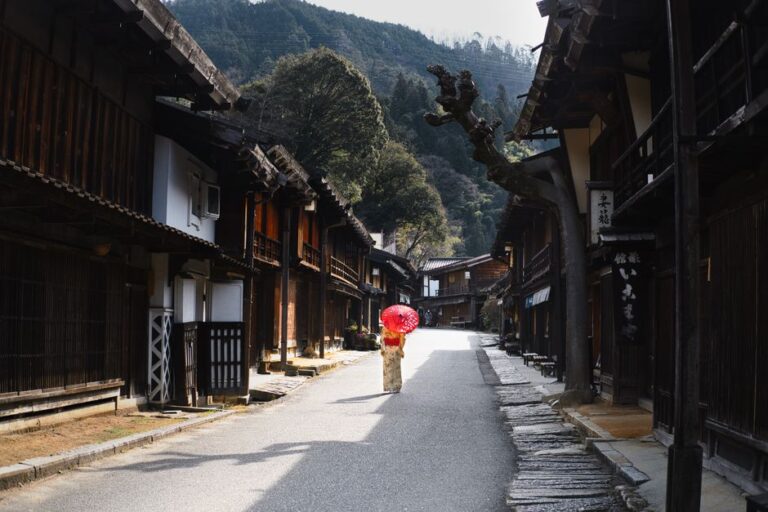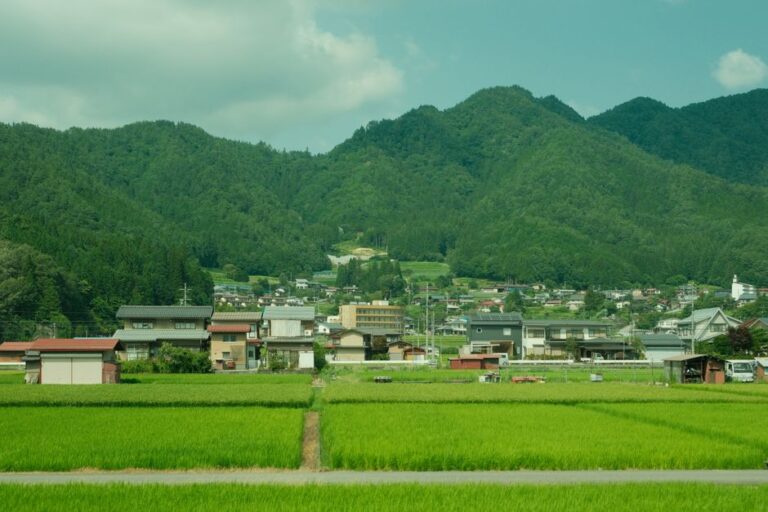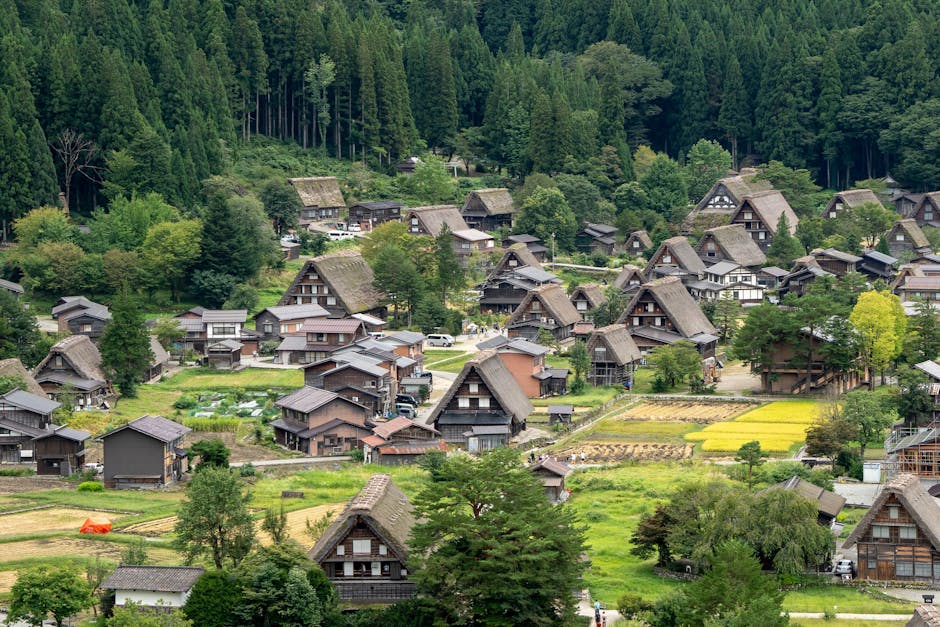
Rural Japan is a captivating landscape where ancient traditions and modern life coexist harmoniously. These deeply rooted customs offer a glimpse into the spiritual and cultural heritage of the Japanese countryside.
Traditional Festivals and Celebrations
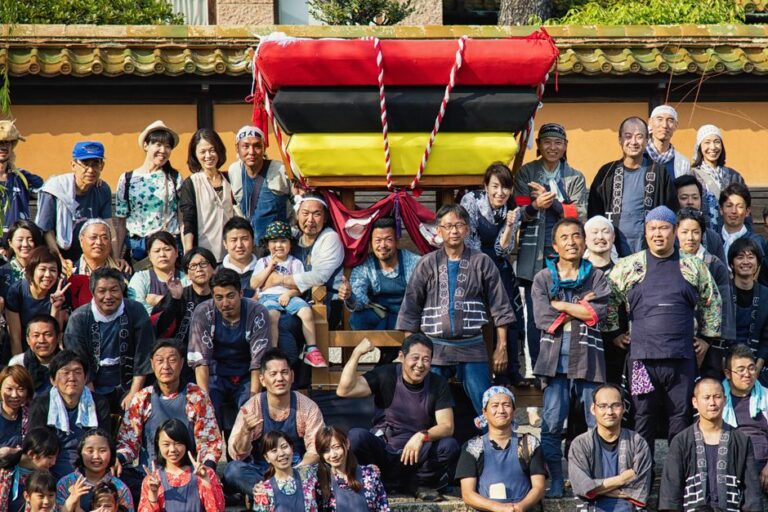
In rural Japan, vibrant festivals such as the Obon and Gion Matsuri serve as an enduring connection to ancestral spirits. These celebrations, often marked by traditional dances and rituals, provide an opportunity for communities to come together and honor their heritage.
Agricultural Practices and Seasonal Rituals
Agriculture remains central to rural life, and with it comes a wealth of seasonal rituals. The rice-planting festival, known as Taue, is a vital event where families perform ceremonial planting to ensure a bountiful harvest. These practices emphasize respect for nature and the cyclical nature of farming.
Handicrafts and Artisan Traditions
Rural Japan is also renowned for its meticulous craftsmanship. Artisan traditions, such as pottery and indigo dyeing, are preserved and passed down through generations. These crafts are not only an economic pursuit but also an expression of cultural identity and history.
Conclusion
The traditions of rural Japan offer invaluable insights into a way of life that treasures harmony, community, and the natural world. By exploring these customs, one can appreciate the profound depth and resilience of Japanese culture.
About the Author