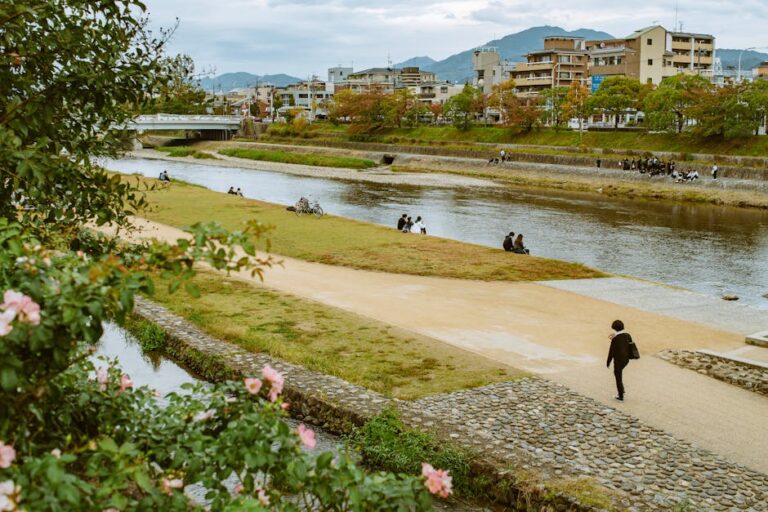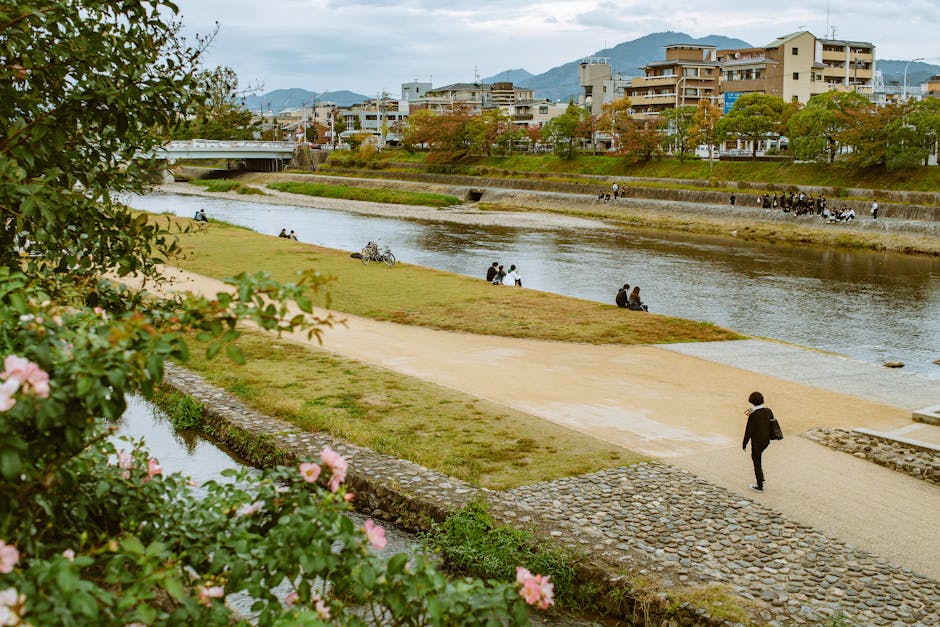
Community life in Japan is a tapestry woven with rich traditions, social harmony, and a strong sense of belonging. From the bustling streets of Tokyo to the serene villages of the countryside, let's explore how Japanese communities thrive.
Harmony and Social Cohesion
In Japan, the principle of "wa," meaning harmony, is foundational. This concept profoundly influences community interactions, encouraging cooperation and mutual respect. Social harmony is often prioritized, facilitating peaceful coexistence and conflict resolution within neighborhoods.
Festivals and Traditions
Community festivals, or "matsuri," play a vital role in uniting individuals. These vibrant celebrations showcase traditional performances and local cuisines, strengthening community bonds and preserving cultural heritage. Participation is often enthusiastic, fostering a strong sense of pride and unity.
Collective Responsibility and Volunteerism
Japanese community life emphasizes collective responsibility. Many residents actively engage in "jichikai" or neighborhood associations, which organize local events, safety measures, and clean-up activities. Volunteerism is deeply ingrained, enhancing the communal spirit and contributing to the overall welfare.
Conclusion
Japanese community life exemplifies a balance between modern aspirations and deeply-rooted traditions. Through shared experiences, cultural celebrations, and a commitment to harmony, Japanese communities offer a unique model of connected living and mutual support.
About the Author