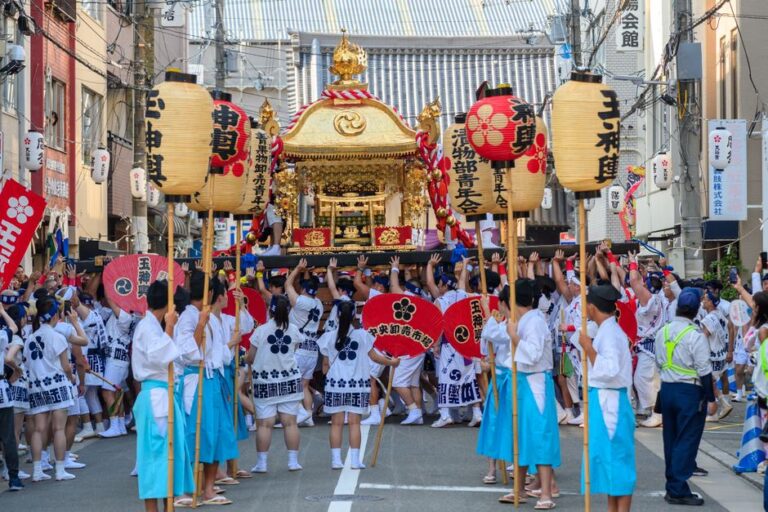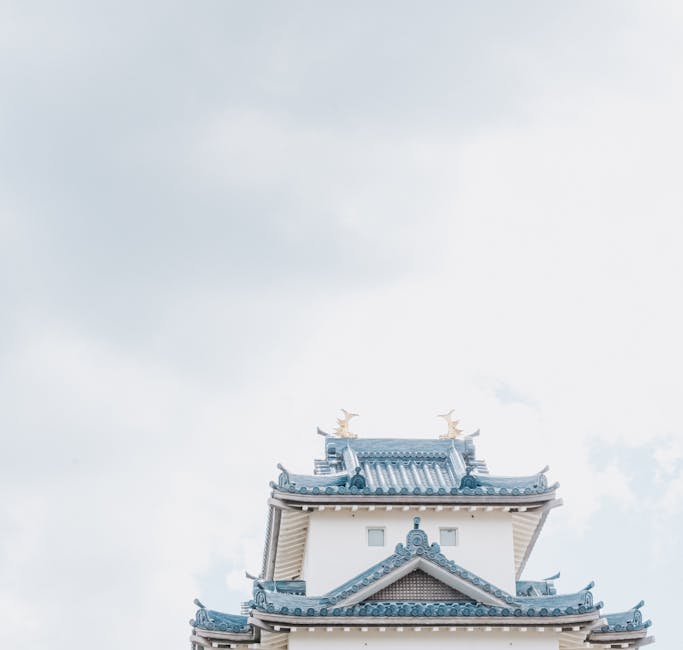
Japan boasts a rich tapestry of cultural heritage that captivates both historians and tourists alike. From age-old traditions to architectural marvels, these elements offer a glimpse into the country's profound history and vibrant culture.
Ancient Traditions
Japanese cultural heritage is deeply rooted in ancient traditions such as tea ceremonies and Noh theater. These traditions are carefully preserved and passed down through generations, reflecting the country's respect for its past and spiritual values.
Architectural Wonders
Japan's iconic structures, such as Kyoto's Kinkaku-ji Temple and Himeji Castle, are architectural feats that stand as testaments to historic craftsmanship. These sites not only attract tourists but are also protected under national heritage laws, ensuring their preservation for future generations.
Artistic Contributions
Japan’s artistic heritage, including ukiyo-e prints and traditional pottery, continues to influence global art trends. These art forms represent Japan's enduring aesthetic sensibility and skillful artisanship that have remained influential around the world.
Conclusion
Japan's cultural heritage is a mosaic of traditions, architecture, and art that offers invaluable insights into the nation’s soul. Its preservation is crucial for maintaining the cultural richness not just for Japan, but for cultural enthusiasts worldwide.
About the Author