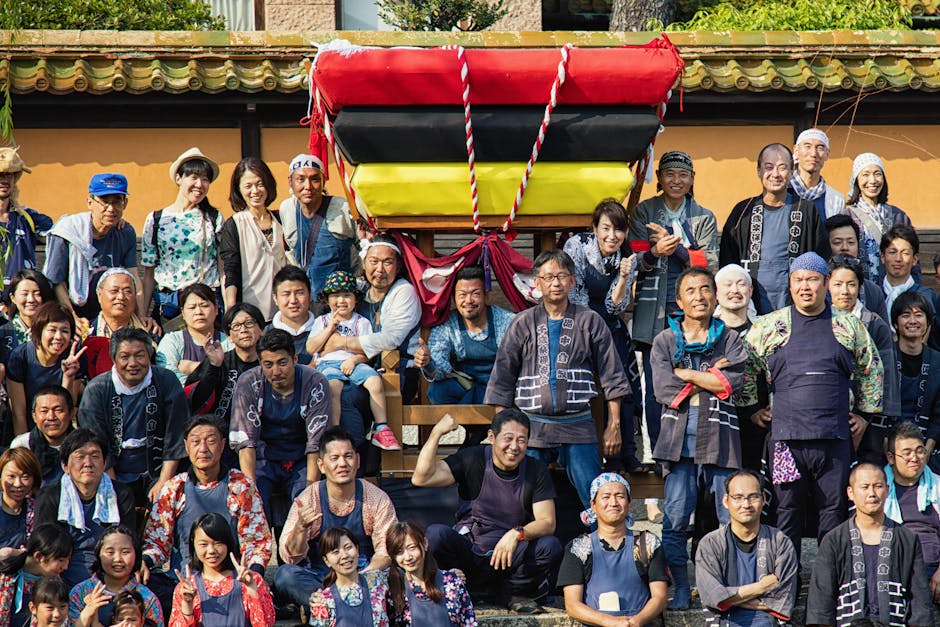
Japan, a country rich in cultural heritage, boasts a variety of local traditions that fascinate visitors and locals alike. Rooted in history, these customs offer a rare glimpse into the nation's soul.
Tanabata: A Celebration of Stars
Tanabata, also known as the Star Festival, commemorates the mythical meeting of the deities Orihime and Hikoboshi. Traditionally celebrated in July, this festival involves writing wishes on colorful paper strips and adorning bamboo branches with them—adding a celestial touch to summer nights.
Obon: Honoring Ancestors
Obon is a Buddhist custom with roots dating back centuries, observed to honor deceased ancestors. Families welcome spirits through dance festivals, known as Bon Odori, and by illuminating homes with lanterns, providing a serene reflection on life and ancestry.
Hanami: Embracing Nature's Beauty
Hanami involves the admiration of cherry blossoms in full bloom, signifying the transient nature of life. With gatherings beneath sakura (cherry trees), this tradition brings people together in a celebration of beauty and renewal.
Tea Ceremony: The Art of Hospitality
The Japanese tea ceremony, or Chanoyu, is a meticulous ritual of preparing and serving matcha (green tea). This tradition emphasizes harmony, respect, purity, and tranquility, encapsulating the essence of Japanese hospitality and mindfulness.
Setsubun: Welcoming Good Fortune
Setsubun marks the division between winter and spring, celebrated by scattering roasted soybeans (mamemaki) to ward off evil spirits. Yelling "Oni wa soto! Fuku wa uchi!" ("Demons out! Luck in!") reflects the hope for prosperity and good fortune.
In conclusion, Japan's unique local traditions provide a colorful tapestry of history, spirituality, and community, inviting all to partake in the richness of its cultural offerings.
About the Author